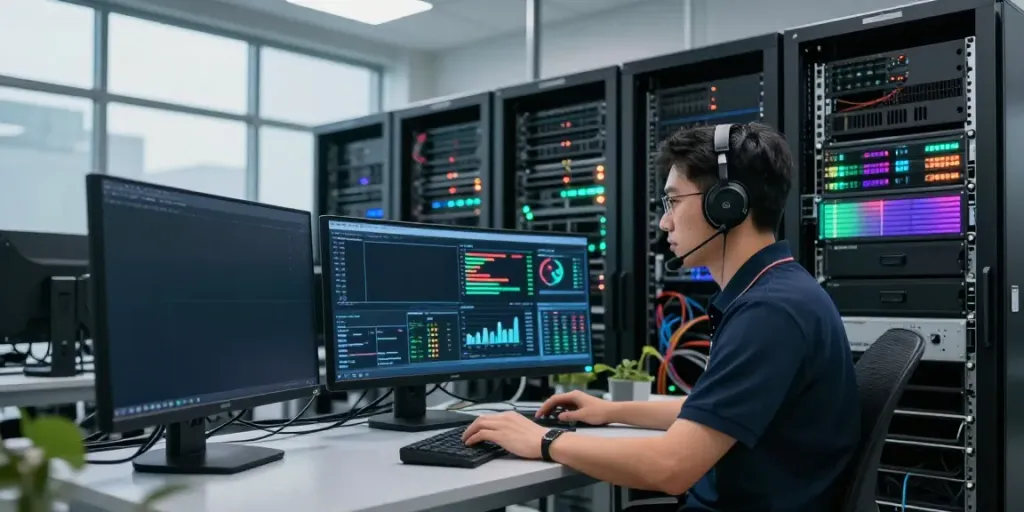
Understanding the AI Data Center Landscape
The evolution of technology has led to the rise of AI data centers, specifically designed to support the demanding infrastructure needs of artificial intelligence applications. As organizations increasingly rely on AI for data analysis, predictive modeling, and decision-making, understanding the architecture, components, and operational necessities of these specialized facilities becomes crucial. When exploring options, AI data center offer comprehensive insights into the infrastructure transformation required to leverage AI's potential effectively.
What is an AI Data Center?
An AI data center is a facility specifically built to house the technological infrastructure needed to develop, deploy, and maintain AI applications. Unlike traditional data centers, AI data centers focus heavily on high-performance computing capabilities, using advanced hardware such as Graphics Processing Units (GPUs) and specialized networking solutions that facilitate the rapid processing of vast datasets essential for AI training and inference.
Key Components of AI Infrastructure
The backbone of any AI data center comprises several critical components:
- Computational Hardware: This includes GPUs and Tensor Processing Units (TPUs) optimized for machine learning tasks.
- Storage Solutions: High-capacity storage systems are necessary to handle the large volumes of data associated with AI workloads.
- Networking Infrastructure: High-speed networks ensure efficient data transfer between storage and compute nodes.
- Cooling and Power Systems: AI workloads generate significant heat and require robust power management solutions to maintain optimal operating temperatures.
Differences Between AI and Traditional Data Centers
While traditional data centers can handle various workloads, AI data centers are tailored to meet the specific needs of AI applications. Key differences include:
- Higher computational power: AI tasks often require immense parallel processing capabilities.
- Specialized hardware: AI data centers utilize GPUs instead of CPUs for more efficient processing.
- Scalability: AI workloads can fluctuate significantly, requiring infrastructure that can scale quickly to meet sudden demands.
- Energy consumption: AI data centers are designed for high energy efficiency to manage the power demands of AI technology.
Challenges in Managing AI Data Centers
Power Consumption and Sustainability Issues
AI data centers are notorious for their energy consumption, driven by the need for continuous computational power. This raises concerns about sustainability and environmental impact. Efforts to incorporate renewable energy sources and improve energy efficiency must be prioritized to mitigate these challenges.
Scalability Challenges for Growing AI Demands
With the explosion of AI applications across industries, scalability remains a pressing challenge. AI data centers must adapt to rapidly changing workload demands while maintaining high performance and reliability. This requires a flexible infrastructure and proactive resource management strategies.
Ensuring Reliable Data Integrity and Security
Data integrity and security are paramount in AI data centers due to the sensitive nature of the information processed. Implementing robust cybersecurity measures, regular audits, and compliance with data protection regulations are essential to ensure that the data remains secure and trustworthy.
Best Practices for AI Data Center Operations
Implementing Efficient Cooling Solutions
Given the heat produced by high-density GPU computing, efficient cooling systems are vital. Techniques such as liquid cooling, hot aisle/cold aisle containment, and the use of ambient air can significantly enhance cooling efficiency, reducing energy costs and prolonging hardware lifespan.
Optimizing GPU Utilization and Load Balancing
To maximize resource efficiency, AI data centers must implement strategies for optimal GPU utilization. This includes load balancing across GPUs to prevent bottlenecks and ensure even resource distribution, leading to enhanced performance and reduced downtime.
Regular Maintenance and Monitoring Strategies
Regular maintenance is crucial to the performance of AI data centers. This includes routine hardware checks, software updates, and monitoring systems to detect potential failures before they result in significant downtime. Proactive measures help maintain the integrity and availability of data center operations.
Future Trends in AI Data Centers
Integration of Renewable Energy Sources
As sustainability becomes increasingly important, the integration of renewable energy sources into AI data centers will be crucial. Solar, wind, and other renewable energy solutions will help reduce the carbon footprint and create energy-efficient infrastructures.
Advancements in Cooling Technologies
Emerging cooling technologies will play a significant role in managing the energy demands of AI data centers. Innovations such as immersion cooling and phase-change materials can provide efficient cooling solutions that enhance performance while reducing energy consumption.
The Role of Edge Computing in AI Infrastructure
Edge computing is expected to transform AI data center operations by enabling data processing closer to the source, reducing latency, and increasing efficiency. This trend allows AI applications to respond faster and operate more effectively in real-time scenarios, particularly in industries like IoT and autonomous vehicles.
Getting Started with Your Own AI Data Center
Initial Considerations for Building Infrastructure
Building an AI data center requires careful planning and consideration of various factors such as location, capacity, and the specific needs of the AI applications it will support. Organizations must evaluate current and future computational demands to determine the required infrastructure.
Choosing the Right Technology Partners
Selecting the appropriate technology partners is critical for the success of an AI data center. Collaborating with providers of specialized hardware, cloud solutions, and efficient power management systems will enhance operational capabilities and reduce time to market.
Steps to Align Infrastructure with Business Goals
To maximize the effectiveness of an AI data center, organizations should align their infrastructure strategies with overall business goals. This involves integrating AI capabilities into existing workflows and ensuring that the infrastructure can adapt to evolving business needs.
What is the AI data center?
As detailed earlier, an AI data center is designed specifically to cater to the computational and processing needs of AI applications, utilizing specialized hardware and optimized processes to ensure efficiency and performance.
Where are most AI data centers located in the US?
Most AI data centers in the United States are located near major tech hubs such as Silicon Valley, Seattle, and Austin, where access to advanced technology infrastructure and skilled talent is readily available. Additionally, the proximity to renewable energy sources can play a role in their placement.
Who is the largest AI data center?
The largest AI data centers typically belong to leading cloud service providers such as Google, Amazon, and Microsoft. These facilities are equipped with extensive resources to handle massive AI workloads and support various enterprise applications.
What does Trump say about data centers?
Former President Trump has emphasized the importance of tech innovation and infrastructure development in the American economy, advocating for initiatives that support the growth of AI technology and its associated data center requirements.