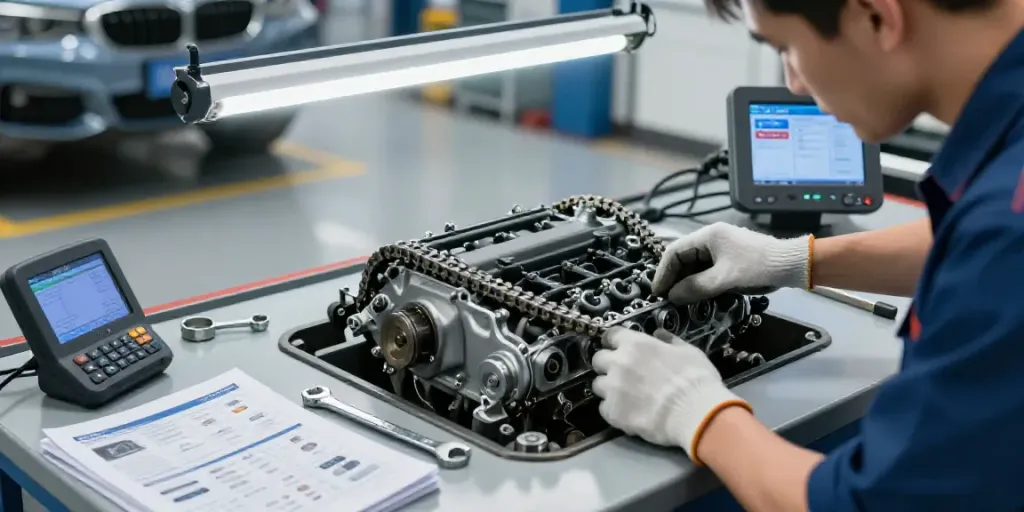
The Importance of BMW Steuerkette Maintenance
Maintaining your BMW's performance is not just about regular oil changes and tire rotations; the timing chain (or Steuerkette) plays a crucial role in ensuring your engine runs smoothly. A well-maintained timing chain can significantly extend the life of your vehicle, while neglecting it can lead to catastrophic engine failure. For BMW owners in Hannover, understanding the nuances of timing chain maintenance is essential to preserve their luxury vehicle's performance.
When exploring options, bmw steuerkette hannover provides comprehensive insights on maintenance and repair services tailored to your specific needs.
Why Regular Timing Chain Checks Matter
The timing chain is a critical component that synchronizes the rotation of the crankshaft and camshaft, ensuring that the engine's valves open and close at the right times. Regular checks are vital to detect early signs of wear and tear. Neglecting this maintenance can lead to timing chain failure, which is often accompanied by expensive repairs, engine damage, or even complete engine replacement.
Common Issues with BMW Steuerketten
BMW engines, particularly models with the N47 and N20 engines, are known for specific timing chain issues. These can include:
- Stretching of the chain over time due to wear.
- Faulty tensioners failing to keep the chain tight.
- Inadequate lubrication leading to premature wear and tear.
Identifying these problems early can save BMW owners in Hannover a significant amount of money and frustration.
Long-term Benefits of Preventive Maintenance
Investing in regular timing chain maintenance not only improves engine performance but also enhances fuel efficiency, reduces emissions, and increases the overall lifespan of your vehicle. Preventive measures ensure smoother operation and a more enjoyable driving experience, confirming that your BMW is working at its best.
Identifying Timing Chain Problems in Your BMW
Knowing the symptoms of a failing timing chain is essential for any BMW owner. Symptoms can range from subtle warning signs to more severe engine issues. Early detection is key to avoiding costly repairs.
Symptoms of a Failing Steuerkette
Look out for these warning signs that may indicate your BMW's timing chain is failing:
- Unusual engine noises, such as rattling or clinking sounds.
- Engine misfires or rough idling.
- Check engine light appearing on the dashboard.
- Difficulty starting the engine.
If you notice any of these symptoms, it is crucial to have your vehicle inspected immediately.
How Much Does it Cost to Replace a BMW Steuerkette?
The cost of replacing a timing chain can vary significantly based on the model of your BMW and the extent of the damage. On average, BMW owners in Hannover should expect to pay between €1,000 and €2,500 for parts and labor. This price can fluctuate based on the specific engine model and the workshop's hourly rates.
DIY vs Professional Inspection: What to Choose?
While some BMW enthusiasts might consider a DIY approach for basic inspections, changing the timing chain is complex and requires specialized tools. It is typically recommended to consult a professional mechanic who specializes in BMW vehicles. They possess the expertise and equipment necessary to ensure a precise and safe replacement.
Steps for a Successful BMW Steuerkette Change
When it becomes necessary to change the timing chain, following the correct steps can make the process much simpler and more efficient.
Preparation: Tools and Parts You'll Need
Before starting the replacement process, gather the following tools and parts:
- Socket set and wrenches.
- Torque wrench.
- Timing chain kit (chain, tensioners, and guides).
- Engine oil and coolant.
- Service manual specific to your BMW model.
Step-by-Step Process for Changing the Timing Chain
- Disconnect the battery and drain the engine oil.
- Remove the engine covers and components obstructing access to the timing chain.
- Align the engine to Top Dead Center (TDC) and mark the camshaft and crankshaft positions.
- Remove the old timing chain and components.
- Install the new timing chain, ensuring proper alignment and tension.
- Reassemble the engine components and refill with oil.
- Start the engine and check for any unusual noises.
Testing and Verifying Proper Installation
After installation, it's crucial to conduct a thorough inspection to ensure everything functions correctly. This may include a test drive and a check for leaks or strange noises, which should be reported to your mechanic immediately.
Choosing the Right BMW Service Provider in Hannover
Finding a reliable service provider is crucial for maintaining the integrity of your vehicle. With numerous options available, knowing what to look for can simplify your search.
Key Factors in Selecting an Automotive Workshop
Consider these aspects when choosing a service provider:
- Certifications and qualifications of the technicians.
- Positive reviews and testimonials from past customers.
- Availability of specialized equipment and tools.
- Warranty and guarantees on parts and labor.
Reviewing Customer Testimonials and Service Quality
Customer feedback can provide valuable insights into a workshop's service quality. Look for workshops that consistently receive high ratings and respond positively to any concerns raised by customers.
Comparing Costs and Services Offered
Always compare quotes from different service providers. While cost is a vital factor, ensure that quality is not compromised. Sometimes, opting for a slightly more expensive service can save you money in the long run by avoiding future repairs.
Future Trends in BMW Engine Maintenance
As technology advances, the automotive industry is witnessing several trends that will shape the future of BMW engine maintenance.
Innovations in Timing Chain Technologies
Future advancements may include improved materials for timing chains, reducing wear and prolonging replacement intervals. Additionally, innovations in tensioner designs could enhance performance and reliability.
Emerging Best Practices for BMW Owners
Best practices will continue to evolve, emphasizing the importance of regular maintenance schedules and professional inspections. Digital tools may also emerge to help owners track their vehicle's service history and reminders for upcoming maintenance.
Anticipating Regulatory Changes in Automotive Services
With increasing regulations on emissions and fuel efficiency, BMW owners can expect updates in maintenance protocols to meet these standards. Staying informed about these changes is essential for compliance and vehicle performance.
What Should You Know About BMW Steuerkette Services?
How Often Should You Check Your BMW Timing Chain?
It is advisable to have your timing chain inspected every 60,000 to 100,000 kilometers, depending on your driving habits and the specific model of your BMW. Regular checks can help prevent premature failure.
What Are the Signs That You Need to Replace Your BMW Steuerkette?
In addition to the symptoms mentioned earlier, keep an eye out for an illuminated check engine light or any decrease in engine performance as indicators that a replacement may be necessary.
Are There Specific BMW Models Prone to Timing Chain Issues?
Models equipped with N47, N20, and B47 engines have been noted for timing chain issues. It's advisable for owners of these models to be particularly vigilant with maintenance.
What Does a BMW Steuerkette Replacement Typically Cost?
Costs for timing chain replacement can vary widely, influenced by labor rates and the model of your BMW. Expect to allocate between €1,000 and €2,500 if work needs to be performed.
How Can You Extend the Lifespan of Your BMW Timing Chain?
Maintaining optimal oil levels and using high-quality oil can help extend the lifespan of your timing chain. Additionally, adopting a consistent maintenance schedule will help mitigate potential issues.