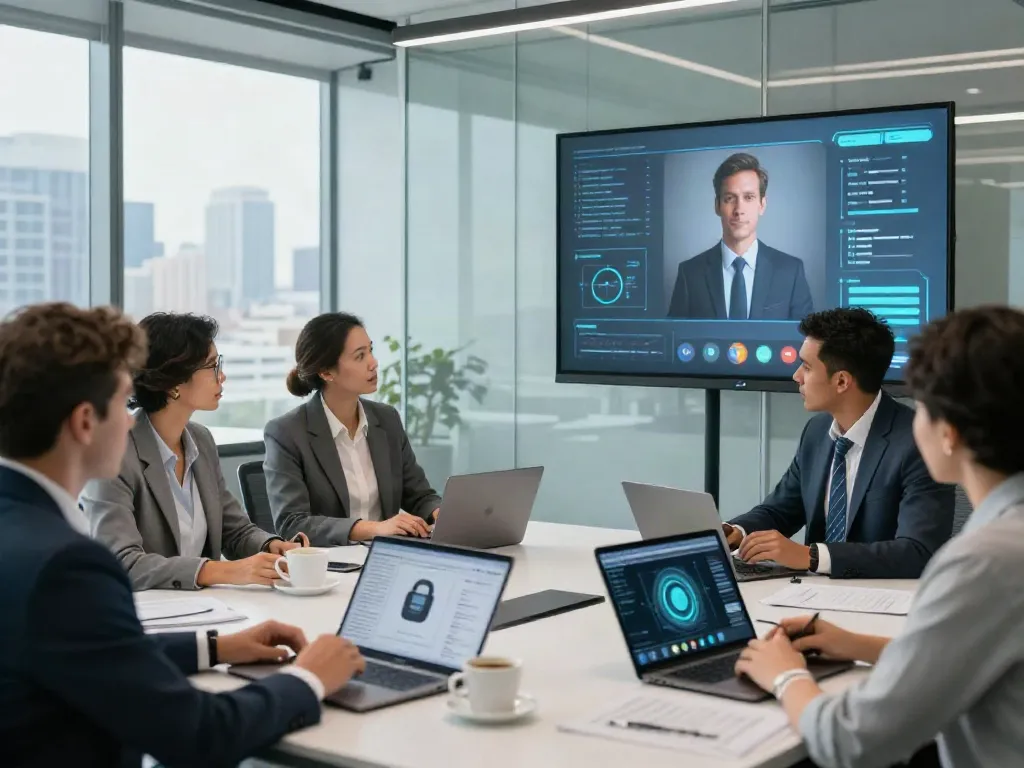
Understanding Deepfake Technology and Its Implications
In an era where digital connections dominate our professional interactions, the rise of deepfake technology presents significant challenges, especially in the context of video conferencing. Deepfakes use advanced artificial intelligence to create hyper-realistic audio and video representations of individuals, which can be manipulated to impersonate someone convincingly. This capability poses a serious threat to the integrity and security of online meetings, as malicious actors can exploit this technology to deceive, defraud, or disrupt critical business communications. As organizations increasingly adopt remote collaboration tools, understanding the ramifications of deepfake technology becomes paramount. When exploring options, Deepfake-protected meetings provide comprehensive insights into safeguarding our virtual interactions.
What Are Deepfakes?
Deepfakes are artificial intelligence-generated media that convincingly mimic real individuals through video and audio manipulation. By leveraging deep learning techniques, such as generative adversarial networks (GANs), these systems can create realistic representations that are often indistinguishable from genuine footage. Originally developed for entertainment and artistic purposes, the technology has proven to have equally harmful applications, particularly in impersonation scams, misinformation campaigns, and privacy violations.
Risks of Deepfake-Driven Attacks in Meetings
As businesses pivot towards online collaboration, the potential risks associated with deepfake technology become increasingly concerning. Deepfake-driven attacks can manifest in various forms, including:
- Impersonation Scams: Malicious actors may disguise themselves as company executives or trusted colleagues, manipulating video feeds to deceive participants and extract sensitive information.
- Disinformation: Deepfakes can be used to create false narratives that damage reputations, mislead stakeholders, and disrupt corporate operations.
- Data Breaches: Phishing attacks utilizing deepfake technology can lead to unauthorized access to corporate networks.
The increasing sophistication of these attacks necessitates robust security measures to ensure the integrity of virtual meetings.
Legal and Ethical Considerations of Deepfake Use
The legal landscape surrounding deepfakes is still evolving, with varied regulations across jurisdictions. While the technology itself is not inherently illegal, its applications often raise ethical dilemmas and compliance issues. Companies must navigate privacy laws, intellectual property rights, and potential liability associated with the use of deepfakes in their operations. Moreover, fostering ethical standards around the use of deepfake technology is critical to maintaining trust in professional environments.
How to Identify Deepfake Threats in Online Meetings
Identifying deepfake threats requires vigilance and a keen eye for detail. As organizations seek to ensure secure online experiences, understanding the indicators of deepfake use within meetings becomes essential. Here are some common signs to watch out for:
Common Signs of Deepfake Usage
Detecting deepfakes can be challenging, but certain visual and auditory cues may signal potential manipulation, including:
- Unnatural Facial Movements: Look for inconsistencies in lip-syncing and abnormal facial expressions that do not match speech patterns.
- Lighting Inconsistencies: Deepfake videos may exhibit irregular lighting or shadows that seem out of place.
- Unusual Audio Characteristics: Listen for mismatched tones and pacing in speech, which might indicate artificial manipulation.
Tools and Techniques for Detection
Various tools and techniques have been developed to assist in detecting deepfakes. Organizations can leverage AI-driven solutions that analyze video content for signs of manipulation. Some well-known tools include:
- Deepware Scanner: This tool analyzes videos for deepfake signatures against a database of known manipulated content.
- Reality Defender: A browser extension that scans web content for AI-generated media and alerts users to potential deepfake risks.
Building Awareness Among Team Members
Education is the cornerstone of an effective defense against deepfake threats. Conducting regular training sessions on the risks and signs of deepfakes can empower employees to remain vigilant during meetings and recognize potential red flags. Building a culture of security awareness will ensure teams are equipped to handle suspicious situations appropriately.
Implementing Deepfake Protection Measures
To effectively combat the risks posed by deepfake technology, organizations must adopt robust protection measures tailored to their specific operational environments. Here are key strategies for secure video conferencing:
Best Practices for Secure Video Conferencing
Establishing comprehensive video conferencing policies is crucial. Consider implementing the following best practices:
- Two-Factor Authentication: Require participants to verify their identities through multiple channels before gaining access to meetings.
- Meeting Passwords: Secure meetings with unique access codes to limit entry to authorized personnel only.
- Secure Network Connections: Utilize VPNs and encrypted connections to protect sensitive discussions from prying eyes.
Utilizing AI and Machine Learning Technologies
AI and machine learning can play a significant role in enhancing meeting security. By integrating advanced detection algorithms into video conferencing platforms, organizations can monitor and flag potential deepfake content in real-time, thereby minimizing risks. Continuous advancements in these technologies will provide more reliable defenses against emerging threats.
Creating a Secure Meeting Environment
To foster a secure meeting environment, organizations should regularly review their video conferencing tools, ensuring that they utilize platforms equipped with the latest security features. Furthermore, implementing post-meeting reviews can help track any anomalies or suspicious occurrences during discussions.
Real-World Applications and Case Studies
Exploring how leading companies have successfully navigated deepfake challenges can provide valuable insights for others. Here are notable examples:
Successful Strategies from Leading Companies
Organizations that have embraced proactive measures against deepfakes have reported a greater sense of security. For instance, a major financial institution implemented strict identity verification processes and enhanced their meeting protocols, resulting in a significant reduction of security incidents related to virtual meetings.
Lessons Learned from Deepfake Attacks
Learning from past attacks is crucial for improvement. Companies that have fallen victim to deepfake scams often cite the importance of ongoing training and education as pivotal in mitigating risks in the future. These organizations have adapted their strategies to prioritize real-time threat detection and recovery protocols.
Innovative Solutions Implemented in the Industry
Innovation in meeting security continues to evolve, with companies investing in blockchain technology to create tamper-proof meeting recordings and improve accountability. Such advancements not only bolster security but also enhance trust among participants in the authenticity of shared content.
The Future of Deepfake-Protected Meetings in 2026
As we look towards the future, the landscape of video conferencing will undoubtedly be shaped by ongoing advancements in technology and increasing regulatory scrutiny. Here’s what to expect in the coming years:
Emerging Technologies in Meeting Security
The integration of biometric authentication methods, such as facial recognition and voice verification, will likely become more prevalent as companies strive to enhance their defenses against deepfakes. These technologies promise to offer a multi-layered approach to ensuring meeting integrity.
Trends and Predictions for the Next Five Years
We can anticipate an increase in the adoption of AI-powered solutions that not only detect deepfakes but also provide real-time feedback during meetings. As more organizations prioritize security, developing standard practices for deepfake protection will become an industry norm.
Preparing for Future Deepfake Challenges
To stay ahead of the curve, businesses should remain agile and continuously adapt their strategies to incorporate emerging technologies, best practices, and regulatory changes. Additionally, ongoing employee training will be essential as deepfake technology continues to advance.
Are deepfakes actually illegal?
The legality of deepfakes varies by jurisdiction and context; while the technology itself is not illegal, its malicious use can lead to legal consequences.
What does deepfake protection mean?
Deepfake protection refers to the measures and technologies deployed to detect, prevent, and mitigate the risks associated with deepfake technology in digital communications.
What states allow deepfakes?
As of 2026, the legal status of deepfakes continues to evolve, with various states enacting legislation aimed at regulating their use, especially in contexts that may lead to harm or deception.
What is the 3 finger test for AI?
The "3 finger test" is a method used to identify AI-generated content by evaluating inconsistencies and artifacts that may be present in altered media.
How can businesses protect against deepfake threats?
Businesses can protect against deepfake threats by implementing robust security measures, utilizing advanced detection technologies, and fostering a culture of awareness among team members.