Understanding Custom Stainless Steel Parts
Custom stainless steel parts play a crucial role in various industries, integrating strength, corrosion resistance, and versatility. These components are meticulously engineered to meet specific functional requirements while adhering to stringent industry standards. Processes involved in the production of custom stainless steel parts include CNC machining, which utilizes computer numerical control to enhance precision in fabrication. Understanding these processes and their applications can lead to better decision-making when selecting parts for critical operations.
What Are Custom Stainless Steel Parts?
Custom stainless steel parts are fabricated components tailored to meet specific dimensions, designs, and functionalities as required by clients. Unlike off-the-shelf products, these parts are produced through advanced machining processes that ensure high accuracy and quality. Common applications range from simple brackets to complex assemblies, reflecting the need for durability and reliability in industrial applications.
Key Benefits of Stainless Steel in CNC Machining
- Corrosion Resistance: Stainless steel is inherent in its ability to resist rust and corrosion, making it ideal for applications in harsh environments.
- High Tensile Strength: The material can withstand significant stress and pressure, ensuring the integrity of the parts over time.
- Durability: Products made from stainless steel offer longevity and require minimal maintenance, resulting in lower overall costs.
- Aesthetic Appeal: Stainless steel finishes can be enhanced to provide a sleek, modern look suitable for visible components.
Applications of Custom Stainless Steel Parts Across Industries
These custom components are integral across various sectors, including:
- Medical Industry: Surgical instruments and medical devices demand high standards for sterility and corrosion resistance, often utilizing custom stainless steel parts.
- Food Processing: Equipment used in food production relies on the hygienic properties of stainless steel, ensuring compliance with health regulations.
- Chemical Engineering: The durability against corrosion is critical, especially when involving highly reactive substances in production processes.
- Aerospace and Automotive: Precision-engineered stainless steel parts contribute to safety and functionality in vehicles and aircraft.
Advanced CNC Machining Techniques for Precision
The evolution of CNC machining has brought significant improvements in the precision and efficiency of parts manufacturing. The integration of automation and advanced technologies enhances the speed and accuracy of production processes.
Innovative CAD/CAM Software in CNC Processes
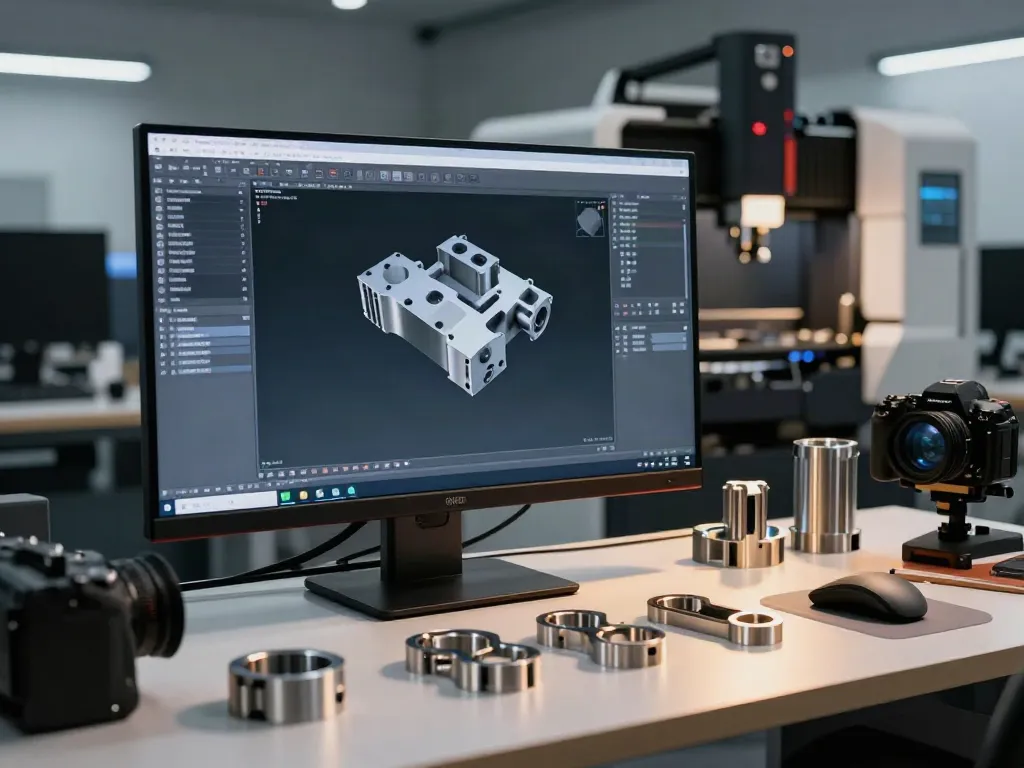
Utilizing sophisticated software solutions like CAD (Computer-Aided Design) and CAM (Computer-Aided Manufacturing) streamlines the design-to-production workflow. CAD tools allow designers to create intricate models, which can be directly translated into machining instructions through CAM systems. This integration ensures that the specifications are strictly adhered to, reducing errors and rework costs.
Techniques for Achieving Tight Tolerances
With CNC machining, achieving tight tolerances is paramount. Advanced techniques such as:
- Multi-Axis Machining: Allows simultaneous movement along multiple axes to create complex geometries.
- Precision Tooling: Employing high-quality cutting tools ensures minimal wear and consistent output.
- Quality Control Measures: Implementing in-process inspections helps catch defects early, maintaining dimensional accuracy.
Surface Finishing Options for Aesthetic Appeal
Surface finishing techniques, such as polishing, anodizing, or passivation, can enhance both durability and visual appeal. Each finishing option offers unique benefits, such as:
- Polishing: Improves surface smoothness and aesthetic quality.
- Passivation: Enhances corrosion resistance without altering dimensions.
- Coating: Provides additional protection against environmental factors.
Quality Control in CNC Machining
Ensuring the quality of custom stainless steel parts is critical to maintain the integrity of the final product. A structured quality management process throughout the manufacturing phase is essential.
Strict Quality Standards for Stainless Steel Parts
Adhering to industry-standard quality regulations is crucial. Compliance with ISO standards or equivalent benchmarks instills confidence in the reliability and safety of the products delivered.
Importance of Material Traceability
Traceability serves as a key component of quality assurance. By tracking the source and processing of materials, manufacturers can ensure that only high-grade stainless steel is utilized, thus guaranteeing performance and reliability in end products.
Testing and Inspection Methods for Durability
Various methods, including mechanical testing, corrosion resistance testing, and dimensional inspections, are employed to verify the durability and quality of finished parts. This comprehensive examination delivers confidence in the product's performance under real-world conditions.
Trends in Custom Machining for 2026
As industries evolve, so does the technology underpinning custom machining processes. Here are current trends shaping the future:
Integration of AI in CNC Machining
Artificial Intelligence (AI) is being increasingly adopted to enhance process efficiencies using predictive analytics for maintenance and optimizing production schedules. Smart CNC machines equipped with AI capabilities can analyze performance data in real-time, leading to swift adjustments that improve throughput.
Sustainability Practices in Stainless Steel Production
Amidst growing environmental concerns, manufacturers are adopting eco-friendly practices by reducing waste, recycling materials, and optimizing energy consumption during production. Consumers are becoming more discerning, often favoring suppliers who demonstrate commitment to sustainability.
Emerging Technologies in Manufacturing Industry
Technological advancements, including the Internet of Things (IoT) and augmented reality (AR), are transforming traditional machining practices. IoT sensors can monitor equipment health, providing insights into performance and predictive maintenance, while AR enables remote assistance during setup and repairs.
Choosing the Right Partner for Custom Stainless Steel Parts
Selecting a reliable CNC machining service provider is critical to ensuring the success of your project. Here’s what to consider:
What to Look for in a CNC Machining Service Provider
Key aspects include advanced machining capabilities, flexibility in production, and a robust portfolio of past projects. A capable partner should demonstrate a history of successful collaborations across varied industries.
The Importance of Industry Experience
Experience is invaluable. A partner with a proven track record is more likely to understand the specific challenges faced within your industry, ensuring they can deliver tailored solutions that align with your operational needs.
Evaluating Service and Support Options
Strong customer support is crucial. Ensure the provider offers comprehensive design assistance, consistent communication, and after-service support to assist you before, during, and after the manufacturing process.
FAQs
What is the process for custom stainless steel part creation?
The process typically involves consultation for design specifications, followed by CAD modeling, CNC machining, quality control, and finishing processes before final delivery.
How can I ensure the quality of my custom stainless steel parts?
Implementing strict quality control measures, selecting certified suppliers, and conducting regular inspections throughout the production process are critical to ensuring high-quality outcomes.
What industries benefit most from custom stainless steel parts?
Industries such as medical, food processing, aerospace, automotive, and chemical engineering frequently utilize custom stainless steel parts due to their need for durability and corrosion resistance.