Understanding Lithium Batteries for RV: Basics and Benefits
As the RV community grows, so does the demand for reliable and efficient power sources. When it comes to choosing a battery for your RV, lithium batteries, particularly the LiFePO4 (Lithium Iron Phosphate) variety, are gaining popularity due to their superior performance and longevity. They offer a number of advantages over traditional lead-acid batteries, making them an attractive option for both casual campers and full-time RVers alike. When exploring options, lithium battery for rv provides comprehensive insights into the best products available on the market today.
What Is a Lithium Battery for RV?
A lithium battery for RV is a rechargeable battery that uses lithium ions as its primary component for energy storage. Unlike traditional lead-acid batteries, lithium batteries boast superior efficiency, longer life cycles, and lighter weights, making them ideal for use in recreational vehicles where space and weight are critical considerations. The most commonly used lithium technology for RV applications is LiFePO4, known for its stability, safety, and charge efficiency.
Why Choose Lithium Over AGM Batteries?
The debate between lithium batteries and Absorbed Glass Mat (AGM) batteries often centers around performance differences. AGM batteries, while popular, have limitations that lithium batteries overcome:
- Longer Lifespan: Lithium batteries can last up to 10 times longer than AGM batteries, which typically last 3 to 5 years.
- Weight Savings: Lithium batteries are significantly lighter, making them easier to install and manage in an RV setup.
- Higher Efficiency: They can provide more usable energy thanks to a flatter discharge curve, meaning you can use nearly all of the battery’s capacity without damaging it.
- Faster Charging: Lithium batteries can charge more quickly, allowing for shorter downtime between adventures.
The Long-Term Benefits of Using Lithium Batteries
Switching to a lithium battery system for your RV can provide long-term financial savings as well as performance benefits. While the initial investment may be higher compared to AGM batteries, the longevity and durability of lithium batteries result in greater overall value. With substantial weight reductions, you can also optimize your RV's fuel efficiency. Additionally, users find that lithium batteries require significantly less maintenance, allowing for worry-free off-grid living.
Comparing Epoch’s Lithium Batteries: Elite, Pro, Essential, and Eco Series
Epoch Batteries offers a diverse range of lithium batteries tailored to meet different needs and applications in the RV sector. Understanding the distinctions between their Elite, Pro, Essential, and Eco series can help ensure you select the perfect battery for your RV setup.
Understanding Each Series: Features and Specifications
The Epoch series consists of various models, each designed with specific functionalities:
- Elite Series: The top-tier battery line, featuring advanced connectivity options, high cycle life ratings, and integrated smart BMS technology for optimal performance.
- Pro Series: These dual-purpose batteries provide power for both starting and house loads, making them versatile for all RV types.
- Essential Series: Affordable yet reliable, these batteries deliver quality performance without the extra features found in higher-end models, making them an economical choice.
- Eco Series: The most budget-friendly option, perfect for casual users who need dependable energy without all the bells and whistles.
How to Select the Right Battery for Your RV Needs
Choosing the right lithium battery involves assessing your daily power requirements, the size of your RV, and your travel habits. Consider these factors:
- Energy Usage: Calculate your daily energy consumption from appliances, lights, and other devices.
- Charging Sources: Determine if you’ll be using solar panels, shore power, or a generator.
- Space and Weight: Verify your RV’s available space for batteries while keeping weight distribution in mind.
Performance Metrics: Comparing Capacity and Cycle Life
When selecting a lithium battery, look closely at its specifications. Key performance metrics include:
- Capacity: Measured in amp-hours (Ah), it indicates how much energy the battery can store.
- Cycle Life: Refers to the number of charge-discharge cycles the battery can undergo before its capacity drops significantly.
- Continuous Output: The amount of power the battery can sustain over time—essential for high-demand appliances.
Upgrading Your RV to LiFePO4: What You Should Know
Transitioning from traditional AGM or lead-acid batteries to lithium batteries in your RV presents several considerations. Proper planning ensures a smooth upgrade and optimal performance.
Key Considerations Before the Upgrade
Before upgrading, evaluate the following:
- Compatibility: Ensure your current charging system is compatible with lithium technology.
- Battery Management System: A suitable BMS is critical to prevent overcharging, overheating, and other potential issues.
- Cost vs. Benefits: Assess both the initial investment and long-term savings from reduced maintenance and longer lifespan.
Installation Tips for Lithium Batteries in RVs
Successful installation of lithium batteries revolves around ensuring proper connections and safety measures:
- Follow manufacturer instructions for installation.
- Ensure adequate ventilation to prevent heat buildup.
- Use appropriate gauge wiring to handle the output of the battery.
Common Misconceptions about Lithium Battery Upgrades
There are several misconceptions regarding lithium battery upgrades, including:
- High Cost: While the upfront cost is higher, the long-term benefits outweigh the initial investment.
- Limited Usage: Many believe lithium batteries are only for high-end RVs, but they can be ideal for any type of camper.
Maximizing Off-Grid Performance with Lithium Batteries
To fully benefit from your lithium battery system, efficient usage and maintenance are crucial, especially when boondocking or camping off-grid.
Efficient Charging Strategies for Off-Grid Adventures
Optimize your battery performance by implementing effective charging strategies:
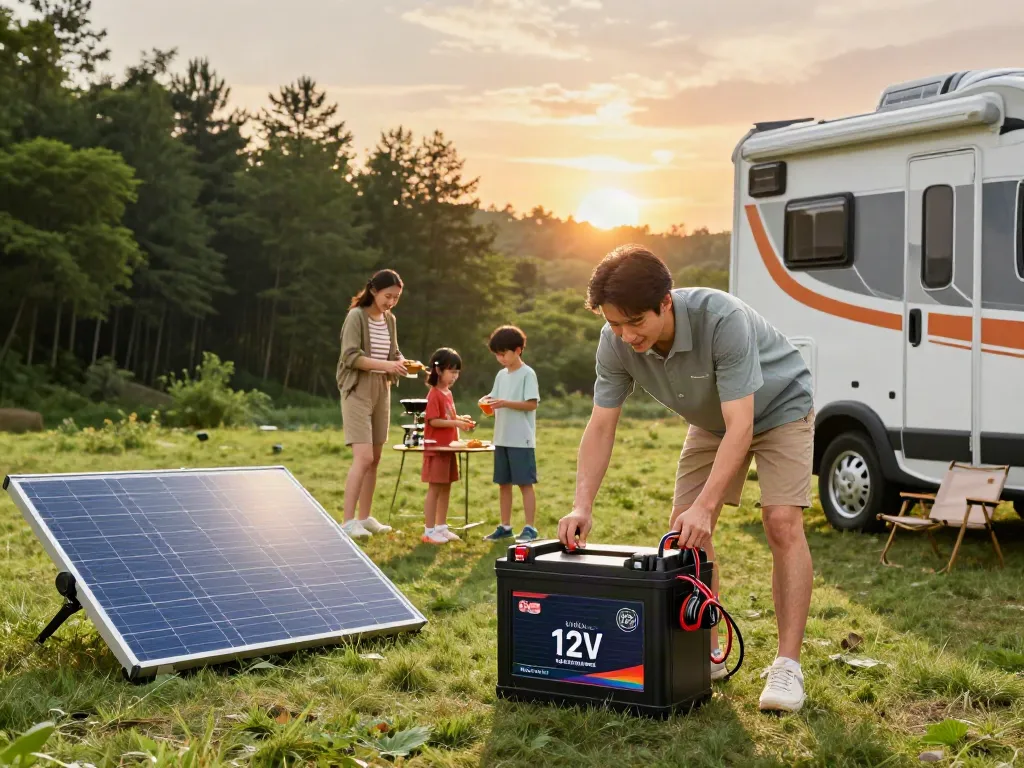
- Solar Charging: Pairing lithium batteries with solar panels can ensure a continuous power supply on extended trips.
- Avoiding Deep Discharge: Maintain the battery's health by not discharging below 20% capacity.
Integrating Solar Power with Lithium Batteries
Solar integration is a perfect match for lithium batteries. By utilizing solar panels, you can recharge your battery efficiently while remaining off the grid. Be sure to use a solar charge controller compatible with lithium batteries to maximize efficiency and battery life.
Monitoring Battery Health: Utilizing Technology Effectively
Many lithium batteries come equipped with monitoring features, allowing you to track health metrics via smartphone applications. Monitoring parameters such as voltage, state of charge, and temperature can help you maintain optimal battery performance and make informed decisions about charging and usage.
Frequently Asked Questions about Lithium Batteries for RV
Are lithium batteries worth it for an RV?
Yes, they offer longer life, reduced maintenance, and better performance, making them a cost-effective choice in the long run.
Can I just replace my RV battery with a lithium battery?
While you can replace an RV battery with a lithium battery, be sure to check compatibility with your existing system to avoid potential issues.
What size lithium battery do I need for a camper?
The size will depend on your energy requirements. Calculate your daily usage and choose a battery with sufficient capacity.
Do I need to change my RV converter for lithium batteries?
Yes, lithium batteries require a converter compatible with their specific charging profile. Ensure your RV's electrical system is set up to handle lithium technology.
What maintenance does a lithium RV battery require?
Lithium batteries are low-maintenance, requiring periodic checks of connections and monitoring for temperature and charge levels.