Understanding Mini Split AC Systems
When it comes to efficient climate control in your home or office, the mini split ac system stands out as a superior choice. These systems offer flexibility, energy efficiency, and the ability to independently manage temperatures in individual spaces. Whether you're looking to enhance comfort in a single room or an entire property, understanding the fundamentals of mini split systems can help you make informed decisions.
What is a Mini Split AC System?
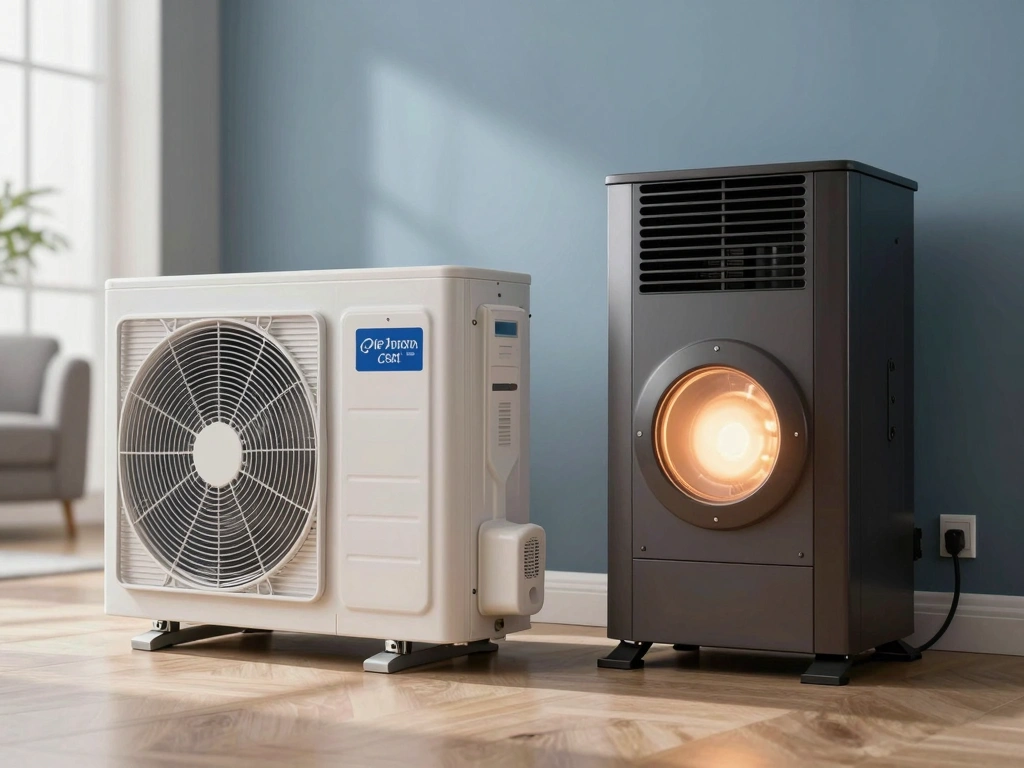
A mini split AC system, also known as a ductless air conditioning system, comprises an outdoor compressor unit and one or more indoor units that blow hot or cold air into the living space. Unlike traditional HVAC systems, which rely on ductwork, mini splits allow for greater control over climate management. They are particularly beneficial in homes lacking existing duct systems, retrofitting installations, or in situations where efficiency is paramount.
Components of a Mini Split AC System
The mini split AC system consists of several key components:
- Outdoor Unit: This is the main component that houses the compressor and condenser. It draws in air from outside and expels heat, making it essential for both heating and cooling functions.
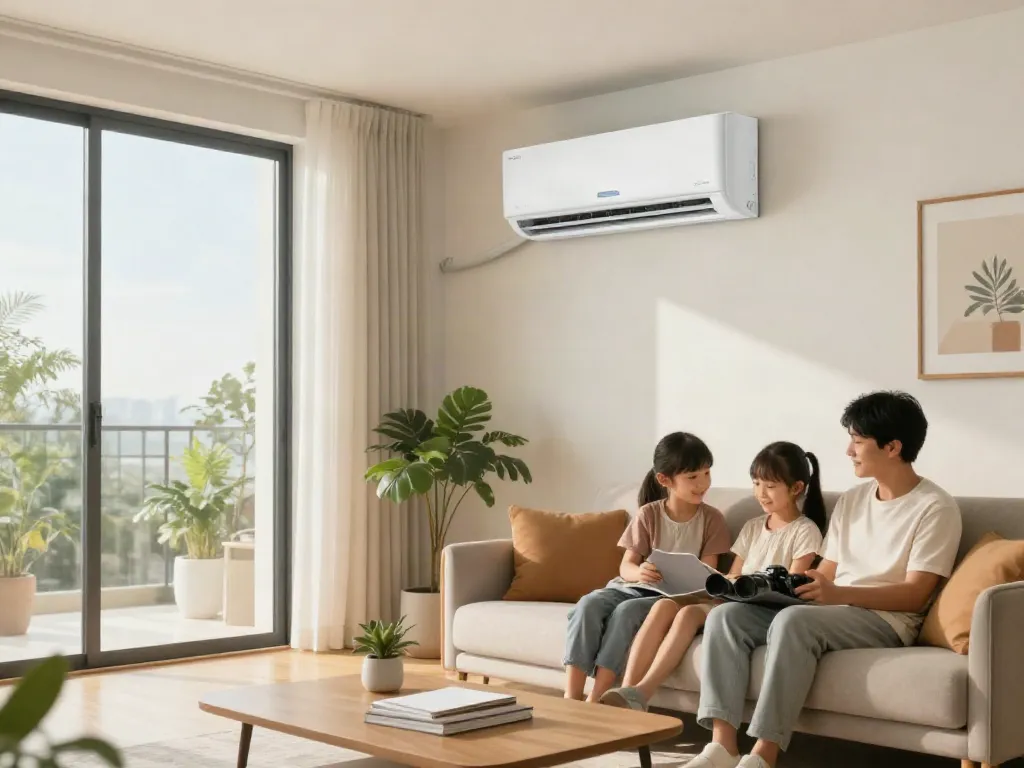
- Indoor Unit(s): Depending on the system, there can be multiple indoor units connected to the outdoor unit. These can be wall-mounted, ceiling-mounted, or even floor-mounted, allowing for flexibility in installation.
- Refrigerant Lines: These insulated pipes connect the indoor and outdoor units, allowing for the transfer of refrigerant to either cool or heat the air.
- Remote Control: Most mini splits come with a remote control that enables users to set temperatures, change modes, and program schedules with ease.
How Mini Split Systems Work
Mini split systems work by transferring heat rather than generating it. In cooling mode, the refrigerant absorbs heat from the indoor air and transfers it outside, cooling the space. Conversely, in heating mode, the process is reversed: the system extracts heat from the outside air (even when temperatures are low) and transfers it indoors. This process is highly efficient and makes mini splits excellent options for year-round climate control.
Benefits of Mini Split AC Systems
Energy Efficiency and Cost Savings
One of the most significant advantages of mini split AC systems is their energy efficiency. Traditional HVAC systems can lose a significant amount of energy through ductwork, especially if the ducts are not well insulated. Mini splits eliminate this issue, which leads to lower energy bills and increased energy savings over time. Additionally, many mini split systems have high SEER (Seasonal Energy Efficiency Ratio) ratings, indicating superior efficiency compared to traditional air conditioning systems.
Improved Indoor Air Quality
Mini split systems enhance indoor air quality by featuring advanced filtration systems that capture dust, allergens, and other airborne particles. Many models also include features that reduce humidity levels, creating a more comfortable living environment while preventing mold growth. The ability to control airflow in each room further contributes to better air quality, as it ensures that air circulates effectively throughout the space.
Flexible Installation Options
Mini split systems provide unparalleled flexibility in installation. They can be mounted on walls, ceilings, or floors, depending on your space and aesthetic preferences. The absence of ductwork means that installation can often be quicker, easier, and less invasive. Additionally, with the option to connect multiple indoor units to a single outdoor unit, homeowners can create customized climate zones tailored to their specific needs.
Common Misconceptions About Mini Split Systems
Are Mini Splits Noisy?
A common concern about mini split systems is noise. While older models may have been louder, modern mini splits are designed to operate quietly. Many indoor units operate below 20 decibels, which is quieter than a whisper, making them ideal for bedrooms and living spaces.
Do They Require Special Maintenance?
Another misconception is that mini split systems require specialized maintenance that is difficult for homeowners to manage. In reality, the maintenance for mini splits is relatively straightforward. Regular cleaning of the filters and occasional professional servicing can keep the systems running smoothly. Additionally, because they do not have ductwork, the risk of mold and dust accumulation is significantly reduced.
Are They Suitable for All Homes?
Many homeowners wonder whether mini split systems are appropriate for their specific living situations. While they are an excellent option for many types of buildings, factors such as local climate, insulation quality, and personal comfort preferences will affect their suitability. A professional assessment can help determine if a mini split system is the right choice for your home.
Installation Challenges and Solutions
Choosing the Right Location for Installation
When installing a mini split system, selecting the right location for both the indoor and outdoor units is crucial. The outdoor unit should be placed in an area with adequate airflow and away from obstructions, while indoor units should be positioned to optimize airflow throughout the room. Factors such as sunlight exposure and the layout of furniture can also impact efficiency.
Hiring a Professional vs. DIY Installation
While some homeowners may choose to install mini split systems themselves, hiring a professional is often recommended. Certified technicians possess the expertise to ensure that the system is properly installed, which can prevent long-term issues and ensure optimal performance. However, for those with advanced DIY skills, installation kits are available that include detailed instructions.
Common Installation Mistakes to Avoid
One of the common installation mistakes is improper sizing of the system. An undersized system will struggle to heat or cool adequately, while an oversized system will lead to inefficient operation and increased wear. It's essential to perform a load calculation to determine the appropriate size for your space. Additionally, failing to properly insulate the refrigerant lines can result in energy loss, so diligence in installation is key.
Future Trends in Mini Split AC Technology
Emerging Features for 2026
As technology continues to evolve, mini split systems are becoming more sophisticated. Emerging features for 2026 include improved inverter technology for even greater efficiency and smart sensors that can adjust settings based on occupancy and preferences. These advancements will further enhance comfort while reducing energy consumption.
Smart Home Integration
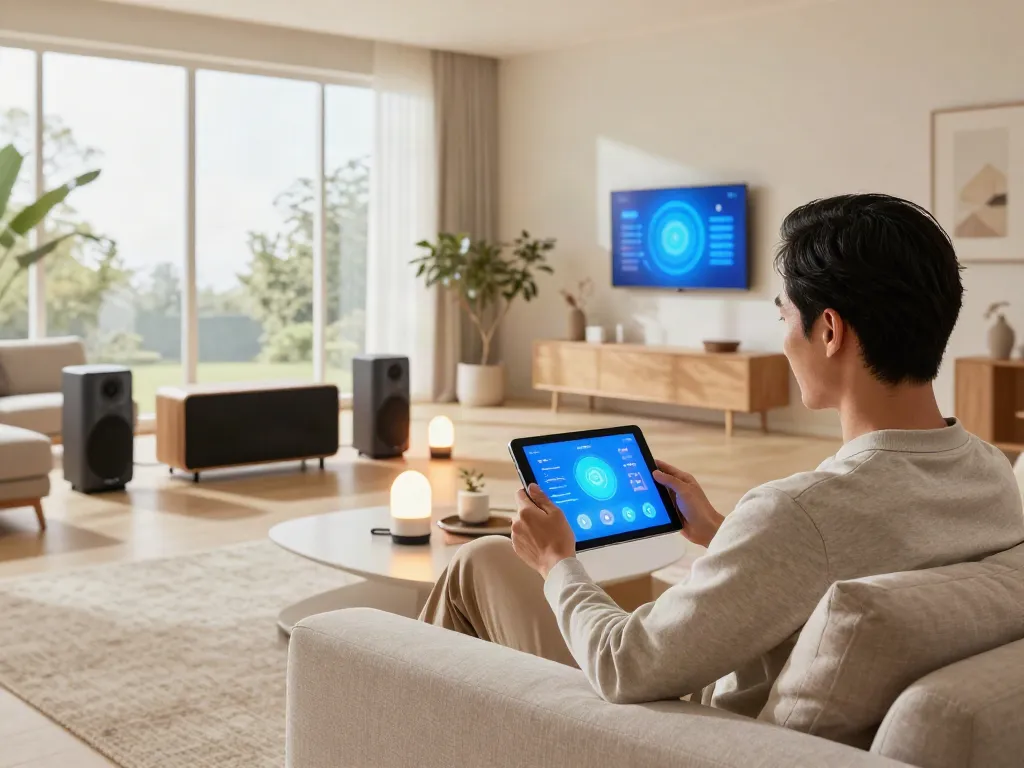
Smart home technology is increasingly being integrated into mini split systems. Many units now offer compatibility with home automation systems, allowing users to control their climate settings through smartphone apps or voice-activated devices. This integration not only makes climate control more convenient but also supports energy efficiency by enabling users to monitor usage patterns and adjust settings remotely.
Environmental Impact and Sustainability
Concern for the environment is leading to innovations that make mini split systems more sustainable. Many manufacturers are adopting eco-friendly refrigerants that have lower global warming potentials. Additionally, the efficiency of these systems contributes to a reduced carbon footprint, making them an increasingly attractive option for environmentally conscious consumers.
What are the downsides of a mini split AC system?
Despite their many advantages, mini split systems do have some drawbacks. The initial installation costs can be higher than traditional systems due to the need for multiple indoor units. Additionally, while they are generally low-maintenance, any error in installation can lead to inefficiencies or issues down the line. Consumers should carefully weigh these factors before making a decision.
What is the typical cost of installing a mini split system?
The cost of installing a mini split system varies widely based on factors such as the number of indoor units, the size of the system, and regional installation rates. On average, homeowners might expect to pay between $2,000 and $10,000, depending on the complexity of the system and installation. Investing in higher-quality equipment can lead to lower operating costs and better long-term performance.
Why is my electric bill so high with mini split?
High electric bills in homes with mini split systems can often be attributed to improper sizing or settings. If the system is too large for the space, it may cycle on and off frequently, leading to increased energy consumption. Additionally, if the settings are not optimized, such as running the unit at very low temperatures continuously, this can also result in higher bills. Proper usage and regular maintenance are key to keeping energy costs in check.